See the idea.
Teachers watch how children use materials, solve problems, and connect with one another.

Green Garden · Curiosity-Led Learning
Children arrive with ideas. Our job is to give those ideas room to become something.
A basket of wood pieces, a real keyboard, or a puddle after rain can start an investigation. Teachers notice what children are working on, offer a useful question or material, and give them time to try again.
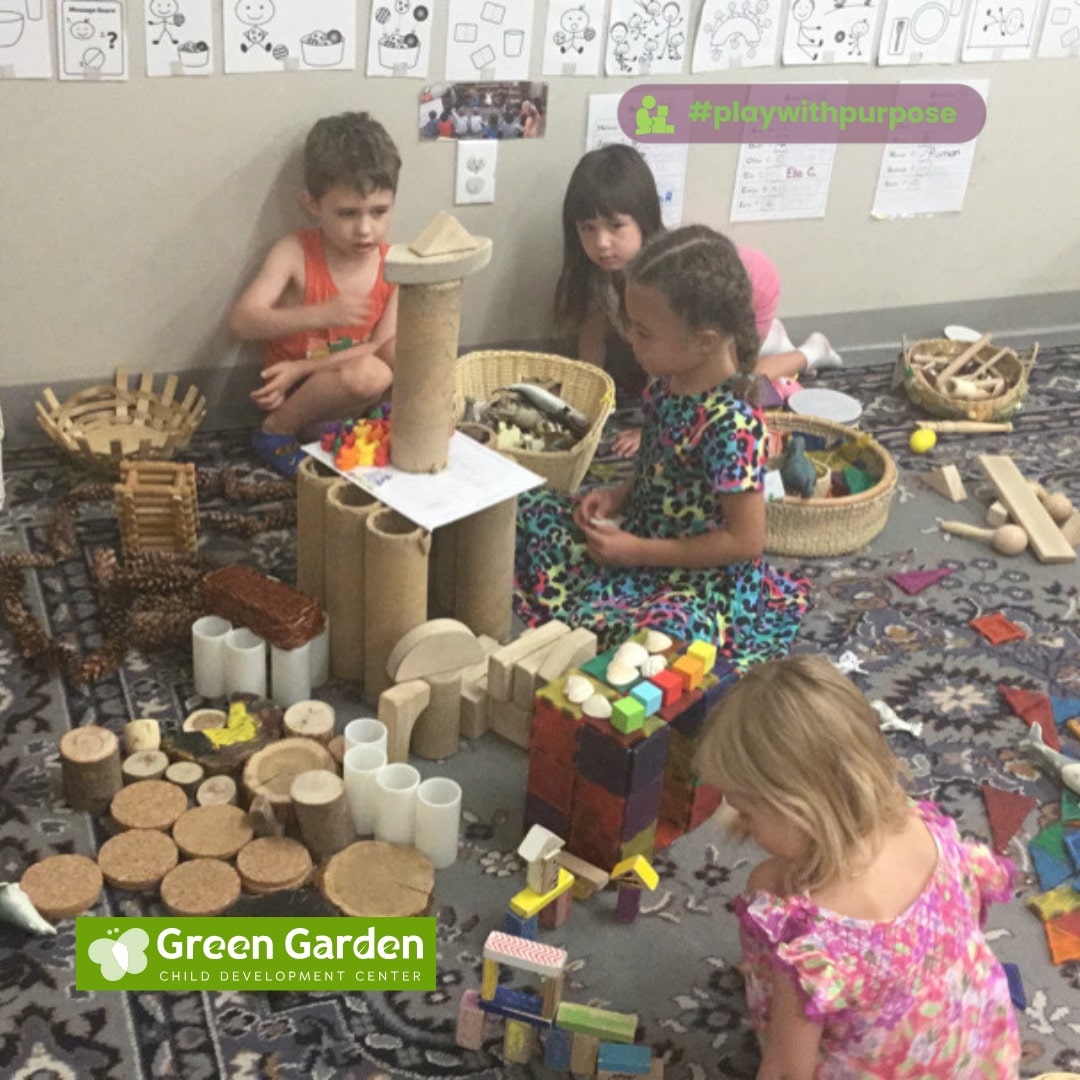
The child has an idea. The teacher helps it grow.
Wonder · Try · Change · ReturnThe starting point
A child studies a structure and moves one piece. It falls. They rebuild it, talk with a friend, and discover something they did not know when they began. The thinking lives in that process.
We make room for children to ask, test, revise, and come back. Adults stay close enough to understand the idea and offer support that moves it forward.
See how relationships support learning →
The work behind the wonder
Child-led learning asks a great deal of educators. Their observations and choices help an idea deepen over time.
Teachers watch how children use materials, solve problems, and connect with one another.
A question, a word, a new tool, or time to keep working can make a difference.
Teachers remember children’s interests and make room to revisit an investigation.
Real materials. Real possibilities.
An old phone, a keyboard, a pot, or a notebook carries meaning from the world children see every day. In play, children can decide what the object does and who they will become while using it.
We choose objects that invite children to make the plan, the sound, and the next move. The day is built around their thinking rather than a toy’s button or a preset script.
Educators select and prepare materials for the children using them, considering size, condition, and supervision.
No single right answer
Materials that can move, combine, and change invite children to invent a purpose, work with others, and revise their plans.
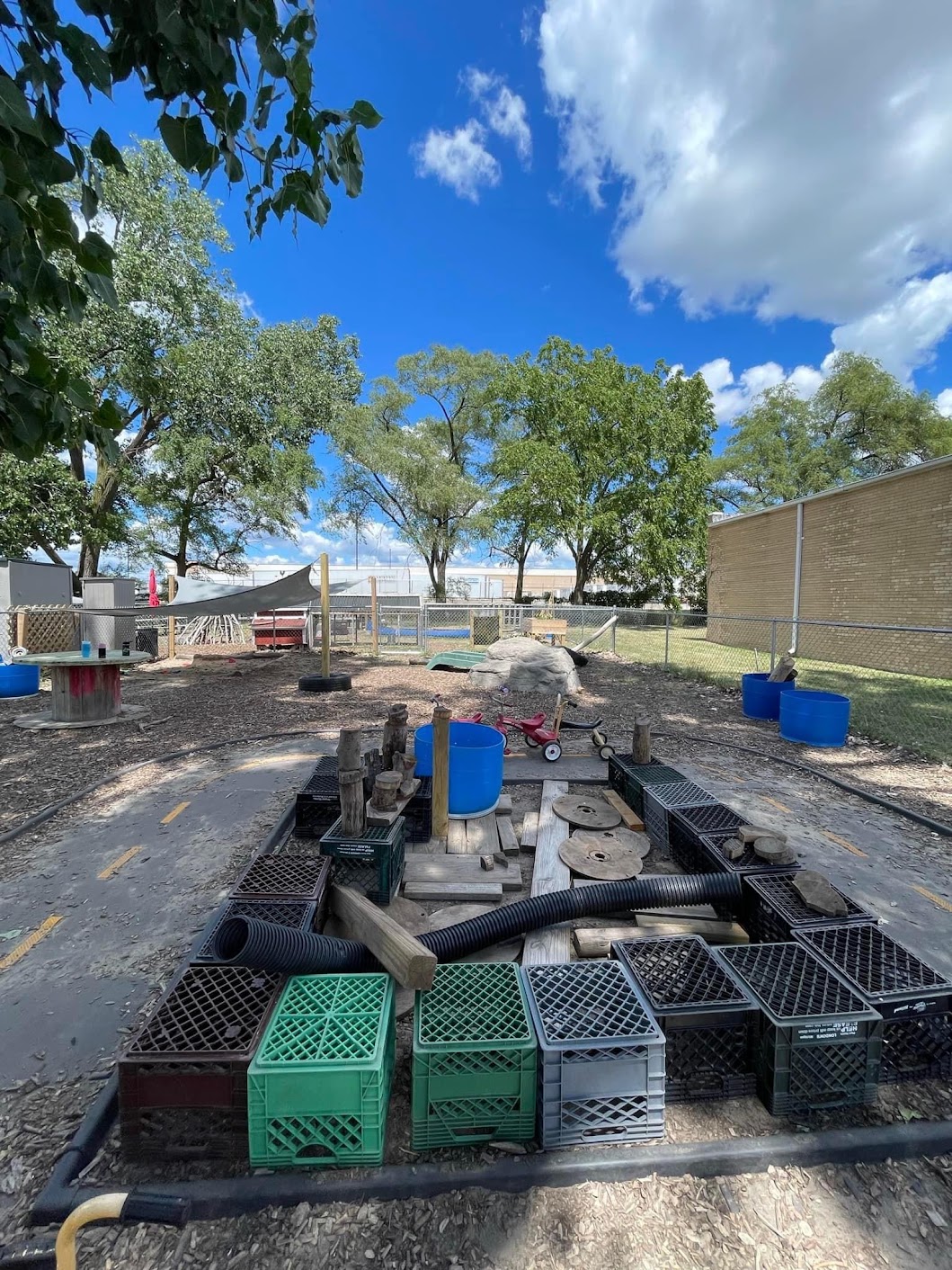
Crates, wood, and tubing can become a path, a structure, or the beginning of an entirely new plan.

In a thoughtfully prepared experience, an ordinary object can be counted, carried, arranged, and given a new role.
Our teams choose materials and supervision for each age group. Small loose parts are not offered to every child.
Our view of play
Children deserve real materials and the time to decide what they become.
The possibilities grow when the child has a role in making them.
A purposeful yes
A “yes” environment is prepared so children can reach materials, make choices, and use a space with growing independence. Teachers set clear boundaries and stay responsive as children’s plans unfold.
That means we can pause before taking over: “What are you trying to make?” “What could help it stand?” “How will you know if it worked?” A useful question can give the idea back to the child.
Materials invite children to choose, combine, and test.
Children can return to an idea instead of ending it at the first attempt.
Teachers notice when to step in, when to offer a tool, and when to give space.
Learning through the whole day
A puddle can invite a child to wonder how deep it is, what floats, or what happens when they step closer. Outdoors, in the art studio, and around the classroom, we follow questions that are meaningful to the children living them.
In preschool, HighScope’s plan-do-review approach helps children name an idea, put it into action, and reflect on what happened. Across the earlier years, responsive relationships and hands-on exploration give children opportunities to act on their thinking.
Explore our outdoor classrooms →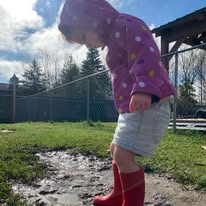
Questions families ask
Teachers observe, prepare materials, support relationships, and extend children’s ideas. The child’s interest helps set the direction; educators make deliberate choices throughout the experience.
Real and open-ended materials give children many ways to investigate, invent, and collaborate. Educators select them for the age group and the experience they are supporting.
No. Returning to an idea gives children a chance to remember what happened, try a different approach, and notice how their thinking has changed.
See the thinking in action
Walk through a classroom, meet the teachers, and see how materials, relationships, and children’s ideas come together.