Begin with hope.
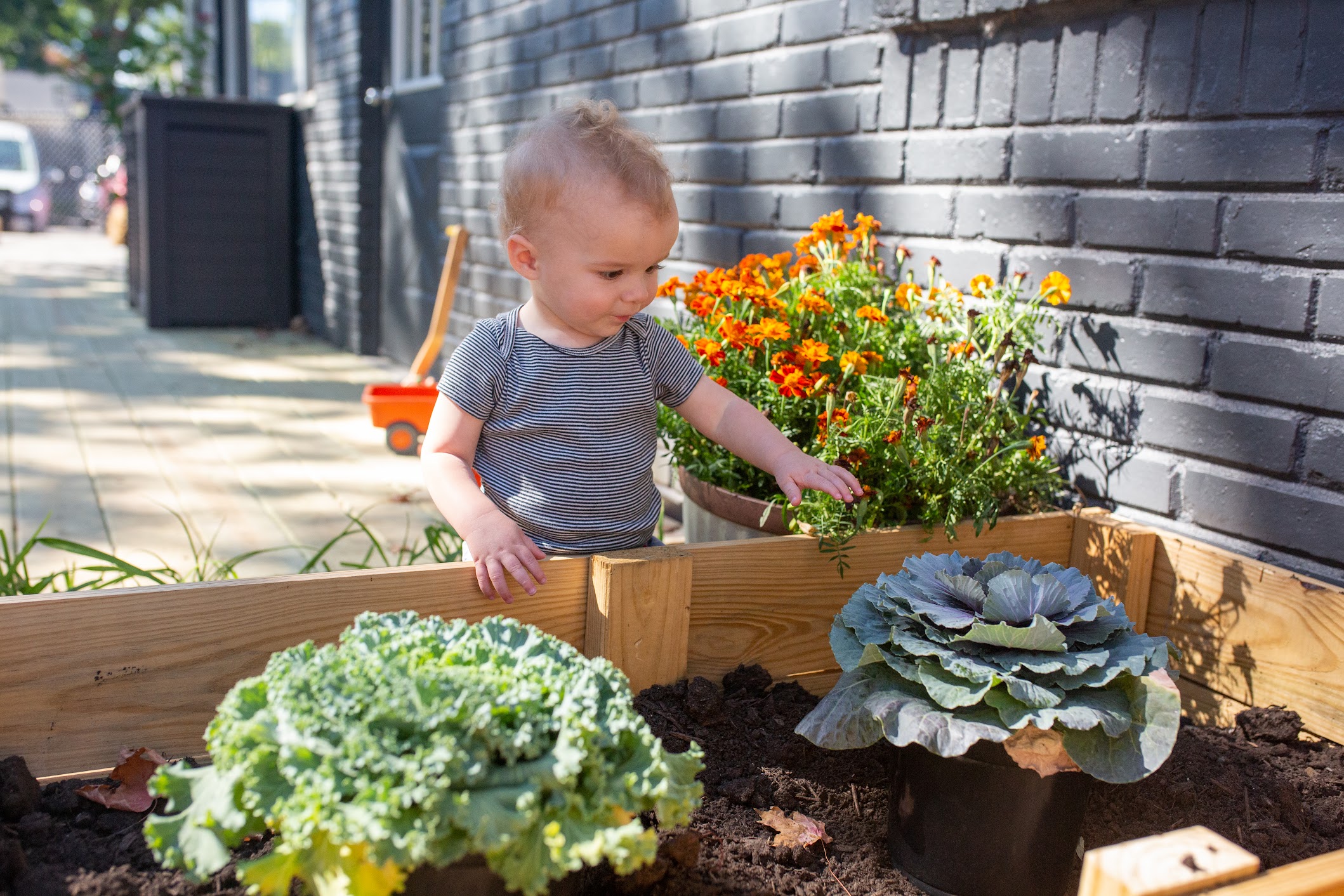
Children make a place for a seed or plant and wonder what it might become.

Green Garden · Gardens & Growth
A child notices a leaf today. Tomorrow, they look again. The plant has changed, and so has the question.
At Green Garden, children help tend growing spaces and experience the long, beautiful work of caring for living things. Our gardens give them a reason to return, to pay attention, and to see what their care can make possible.
Plant. Tend. Notice. Harvest. Begin again.
The garden changes · Children do, tooA living curriculum
Seeds do not grow on a schedule a child can control. That is part of what makes a garden such a rich place to learn.
Children make a place for a seed or plant and wonder what it might become.
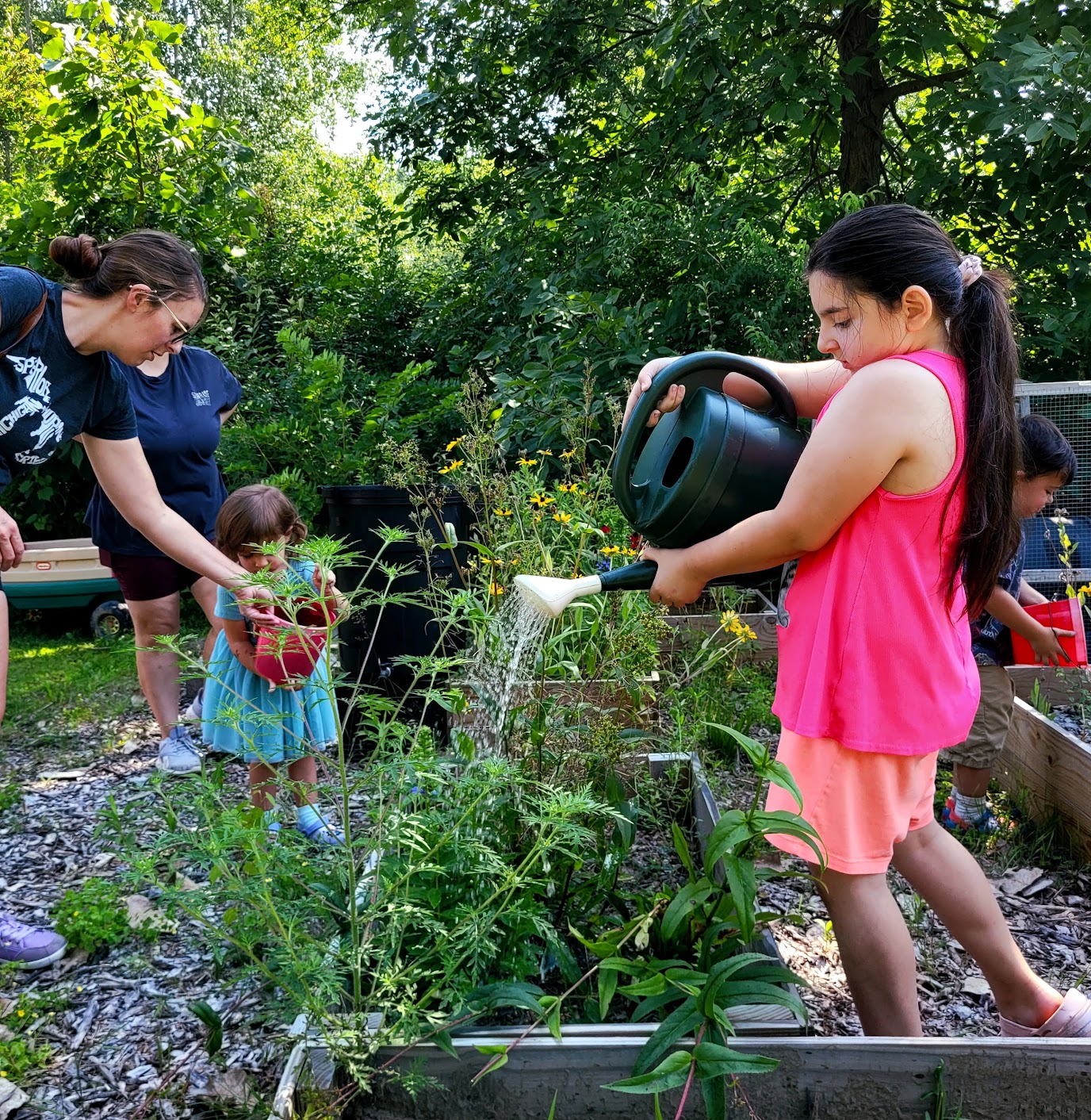
Watering, weeding, and checking the soil become meaningful parts of a shared routine.
A new leaf, a visiting insect, or a different color gives children something to observe and discuss.
When a crop is ready, children can help gather it and connect their work to the food they know.
Care is an action
Children are capable contributors to the life of a garden. They can carry water, look closely at plants, feel the soil, and work beside one another. Adults make room for their participation and help them notice what their care changes.
Some days the work is small. A child remembers to water. Another points out a new flower. Over time, those moments become a sense of responsibility and belonging.
A reason to return
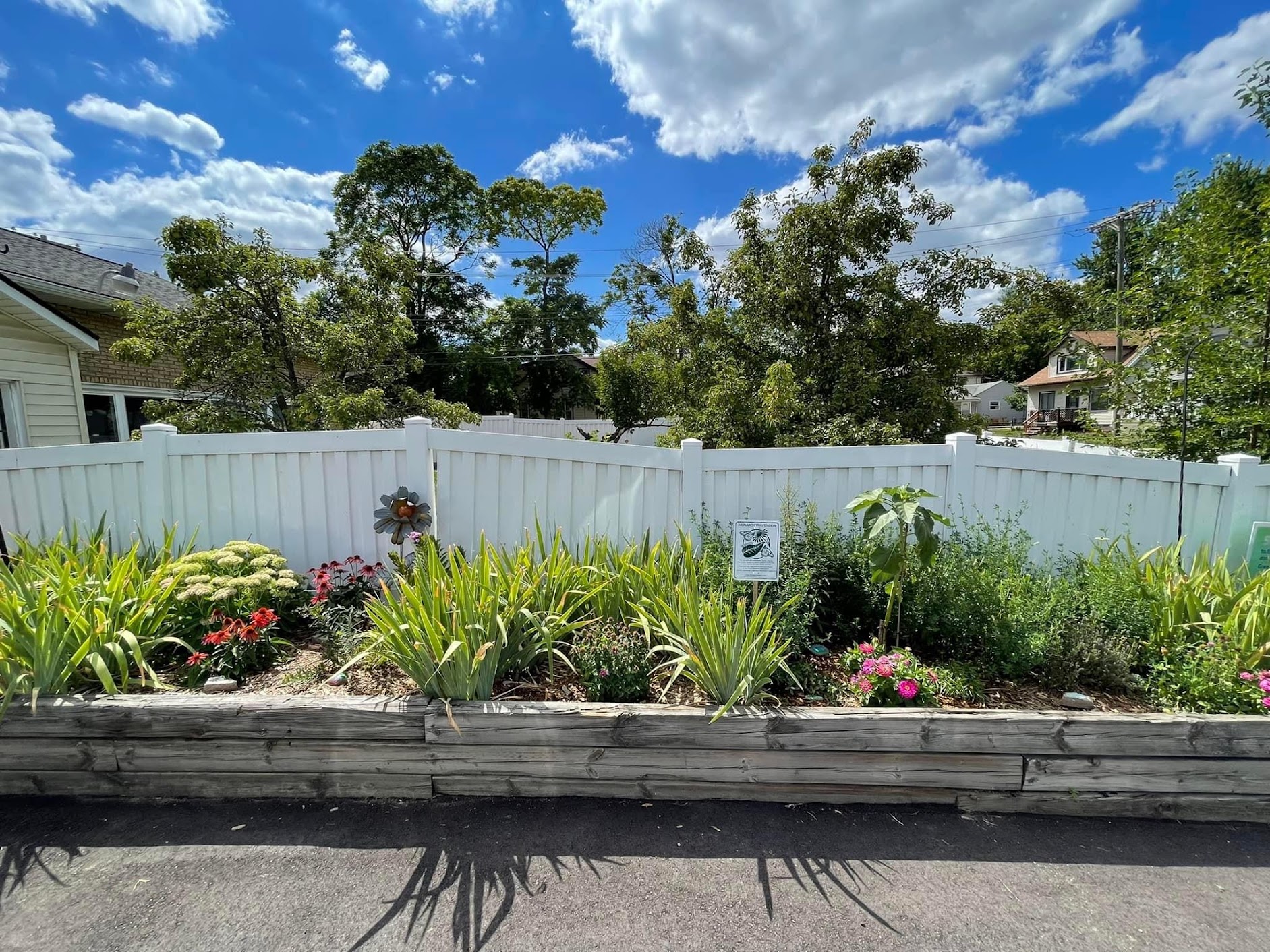
One week the garden looks bare. Later, it is full of leaves and flowers. A child who visits it again and again has a chance to remember, compare, ask why, and make a new plan.
That kind of learning cannot be rushed. Teachers can follow what children notice and help them stay with an idea long enough to see it grow.
More than a harvest
When children care for something living, they discover that their actions matter.
The garden makes patience, attention, and responsibility visible.
Look a little closer
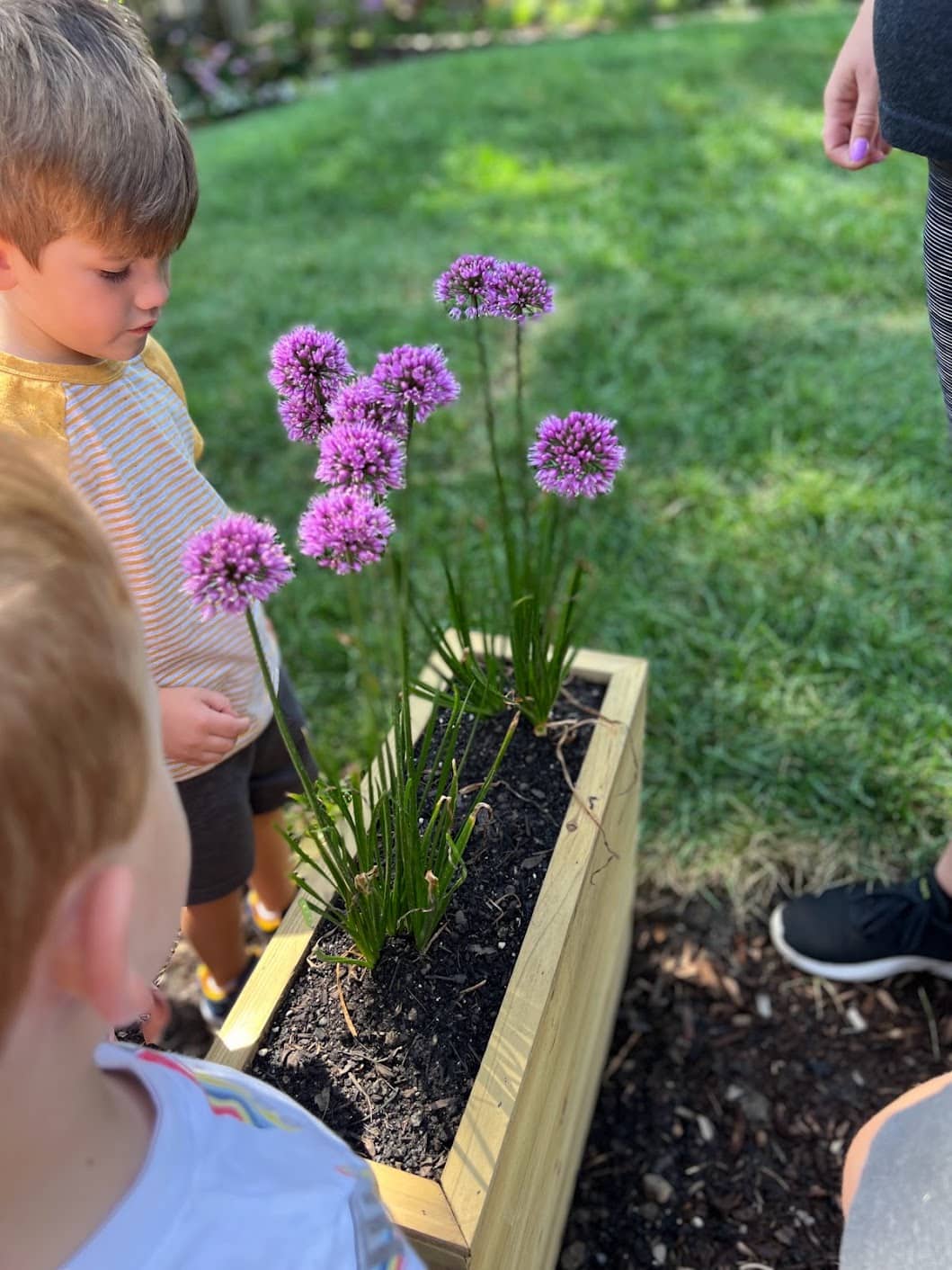
Children might notice its color, shape, smell, or the insect that arrives beside it. Their observations can lead to drawing, conversation, new questions, and another visit tomorrow.
Our growing spaces offer sensory experiences and real materials across the seasons. The best lesson often begins with a child asking us to stop and look.
Care beyond the garden bed
Respect for nature grows through everyday encounters, whether a child is near a planted bed or getting to know an animal.
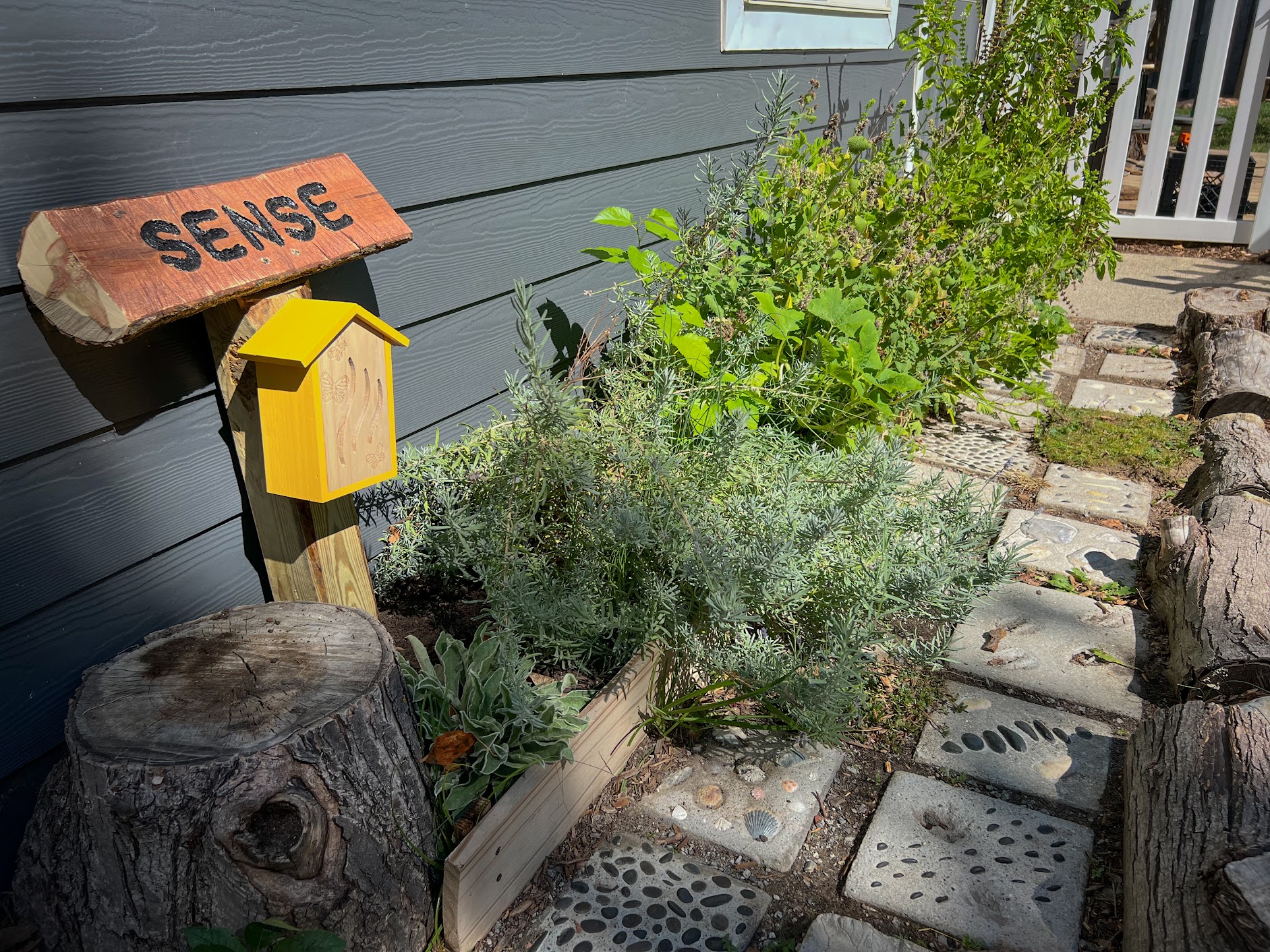
Plants, paths, textures, and scents offer children more ways to notice the living world around them.
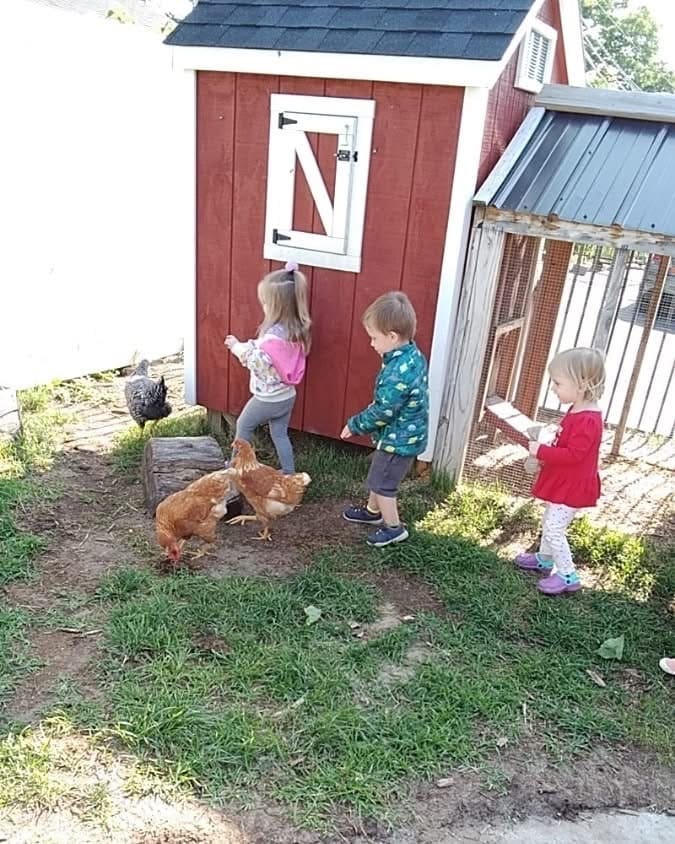
At campuses with chickens, children have opportunities to observe animals closely and practice gentle, respectful care.
A wider way to grow
Our gardens are one expression of a larger commitment: helping children see the value in living things and in the materials we use. Nature comes indoors through plants, found materials, and close study of small creatures. We also look for thoughtful ways to reuse materials and reduce waste.
These choices give children real chances to ask where something came from, what it needs, and what they can do next.
Come see what is growing
Visit a Green Garden school to see its growing spaces, meet the teachers, and learn how your child can take part.